

History, NEWS
Walking Through Thousands of Years of History: Nichole’s Archaeological Fieldwork in New Mexico and West Texas
Aug
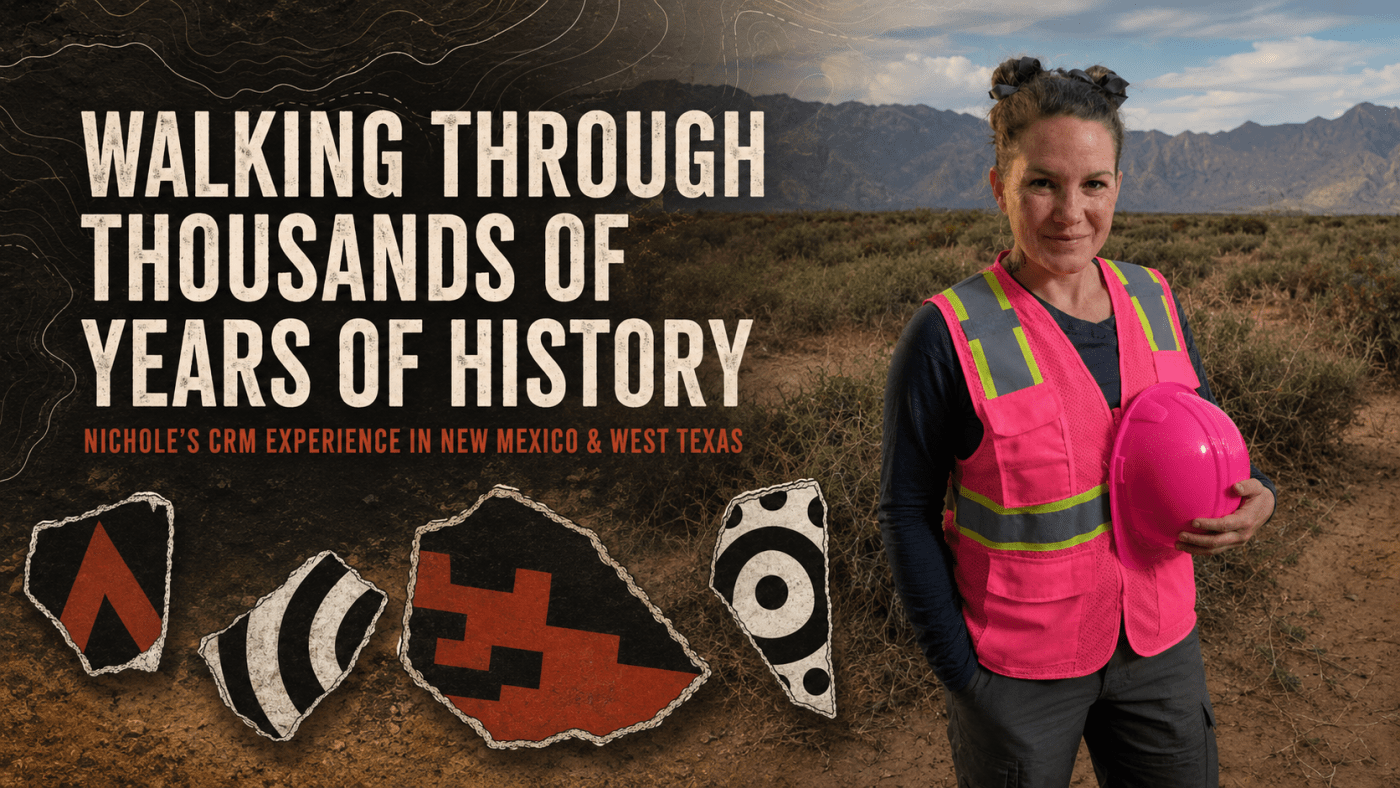
Walking Through Thousands of Years of History: My CRM Experience in New Mexico and West Texas
I recently returned from a 10-day Cultural Resource Management archaeological project surveying the deserts and sand dunes of southern New Mexico and far West Texas. Our survey took us through portions of the Tularosa and Hembrillo basins and the Hueco Bolson near El Paso, where I spent my days walking miles of systematic survey transects searching for and documenting archaeological sites, artifacts and other cultural resources.
Much of the archaeological evidence we encountered was associated with the Jornada Mogollon, an ancestral Indigenous culture that occupied this region from approximately A.D. 400 to 1450. One of the most memorable moments of the project for me was locating the exposed outer wall of a mostly buried Jornada Mogollon pueblo. Much of the structure still remains beneath the desert surface, making it incredible to think about what may remain preserved beneath our feet.
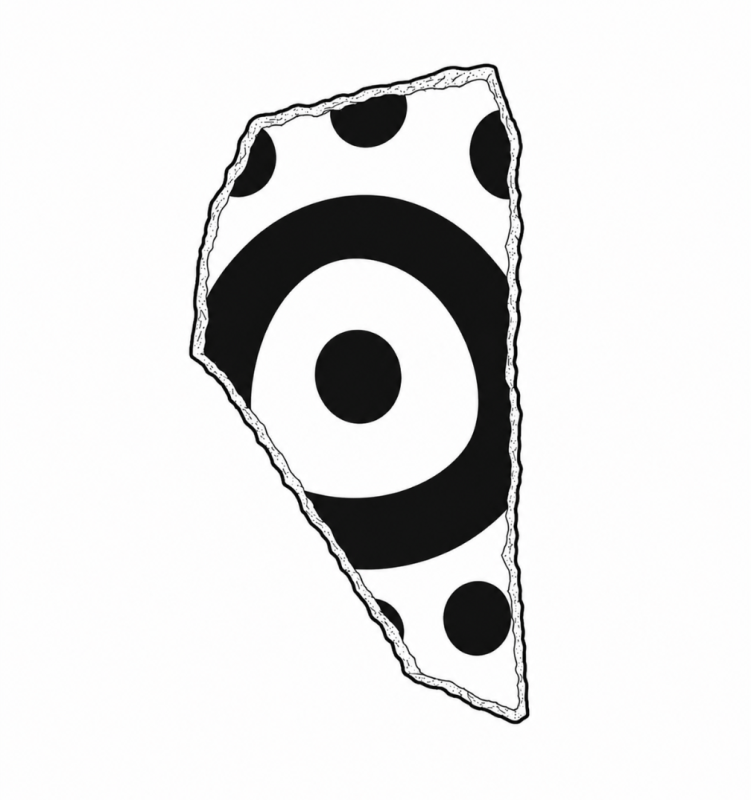
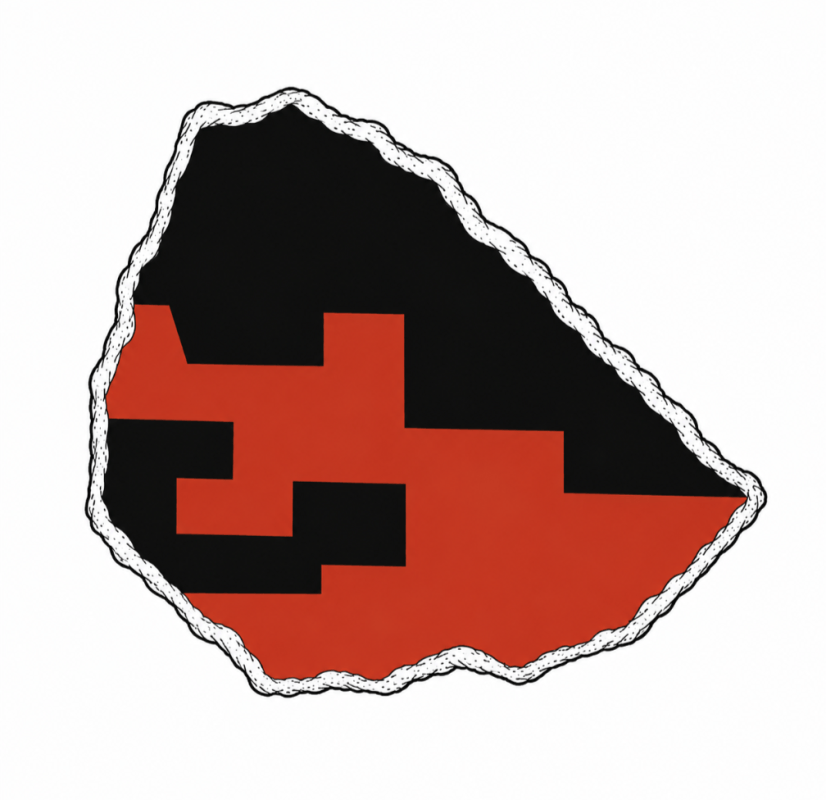
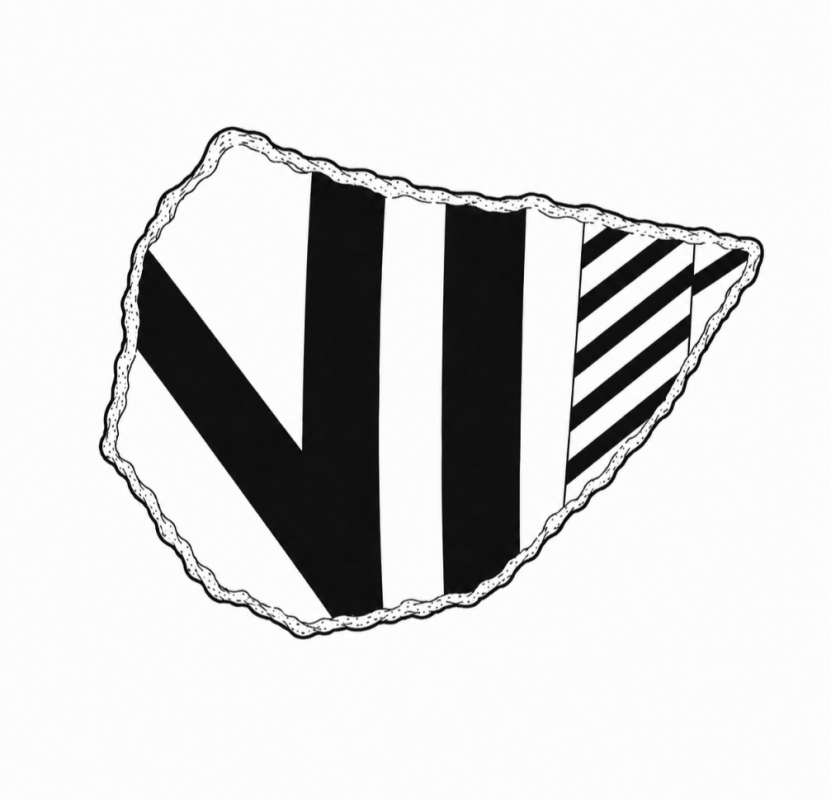
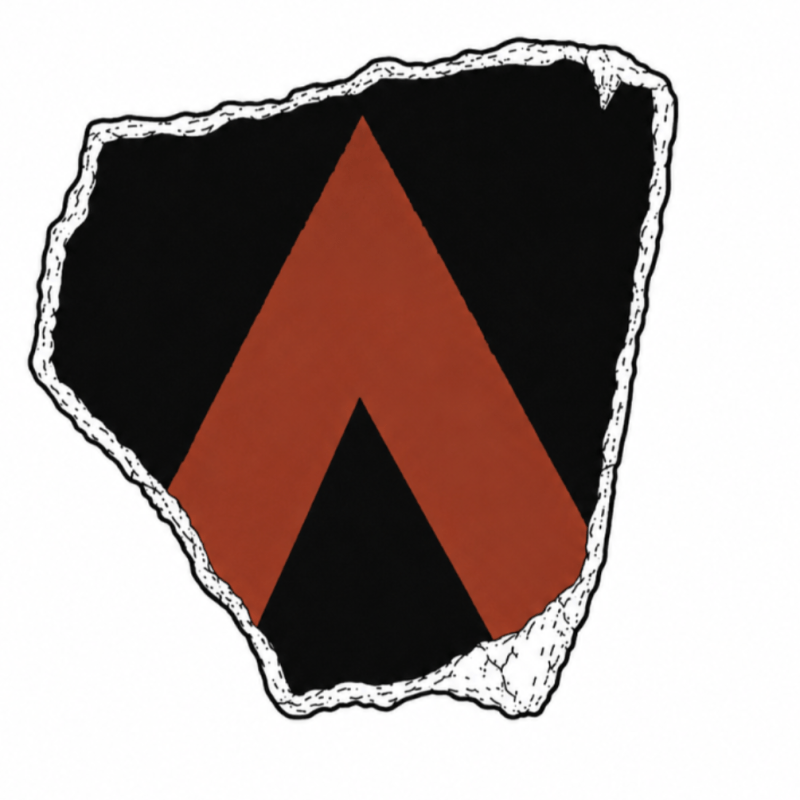
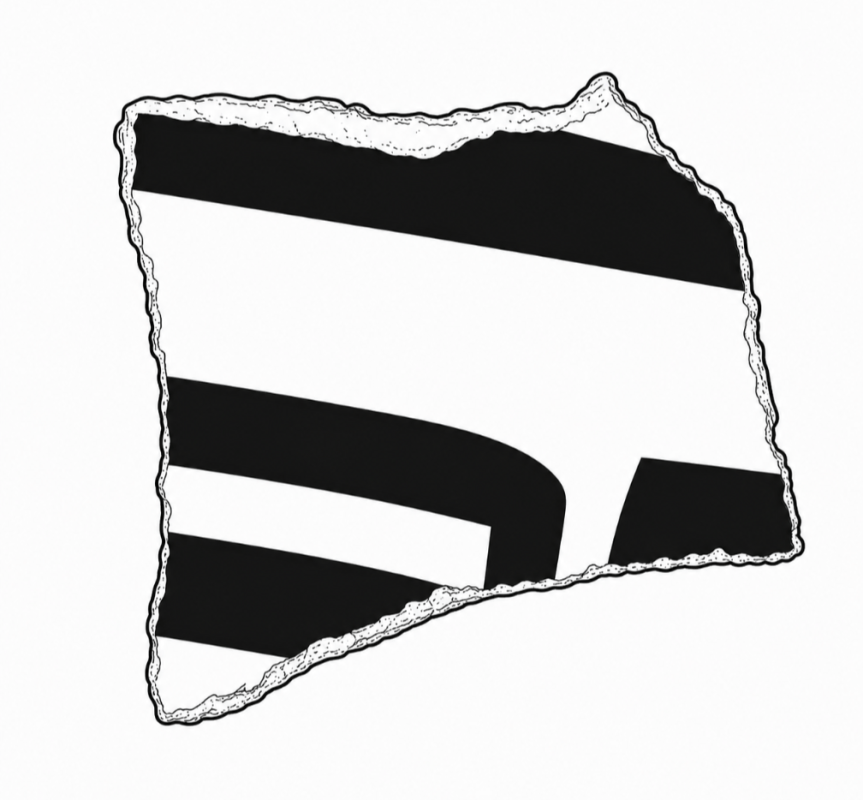
Pottery was among the most common artifacts we documented. The majority consisted of El Paso Brownware and El Paso Polychrome, both associated with the Jornada Mogollon tradition. We also encountered Mimbres and Chupadero pottery, obsidian, projectile points, chipped stone tools and flakes, ground stone used for processing foods, fire-cracked rock, hearths and other evidence of habitation.
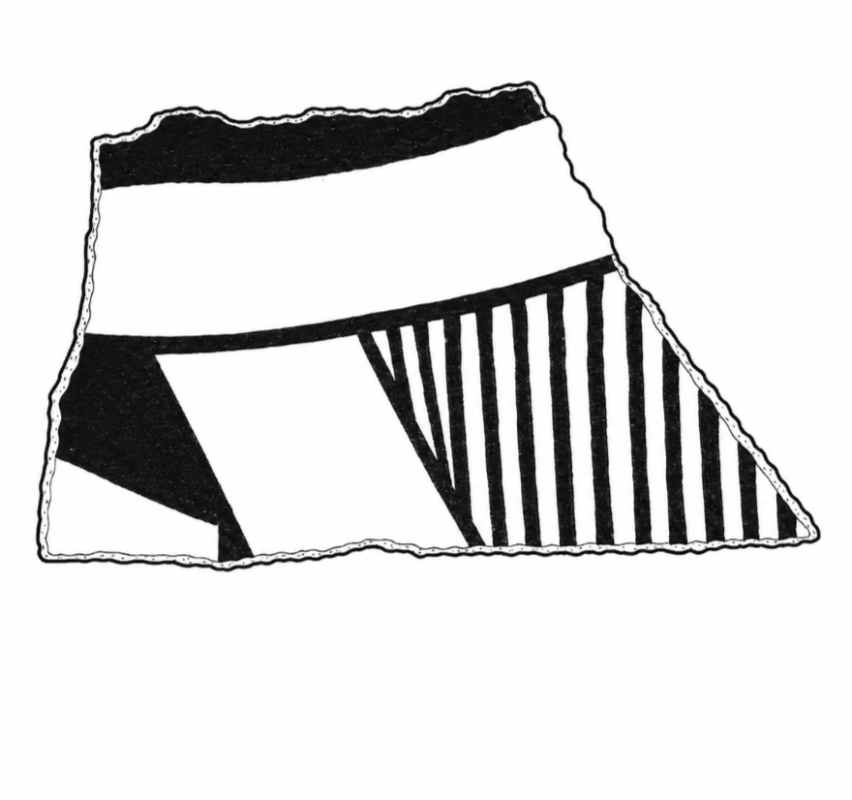
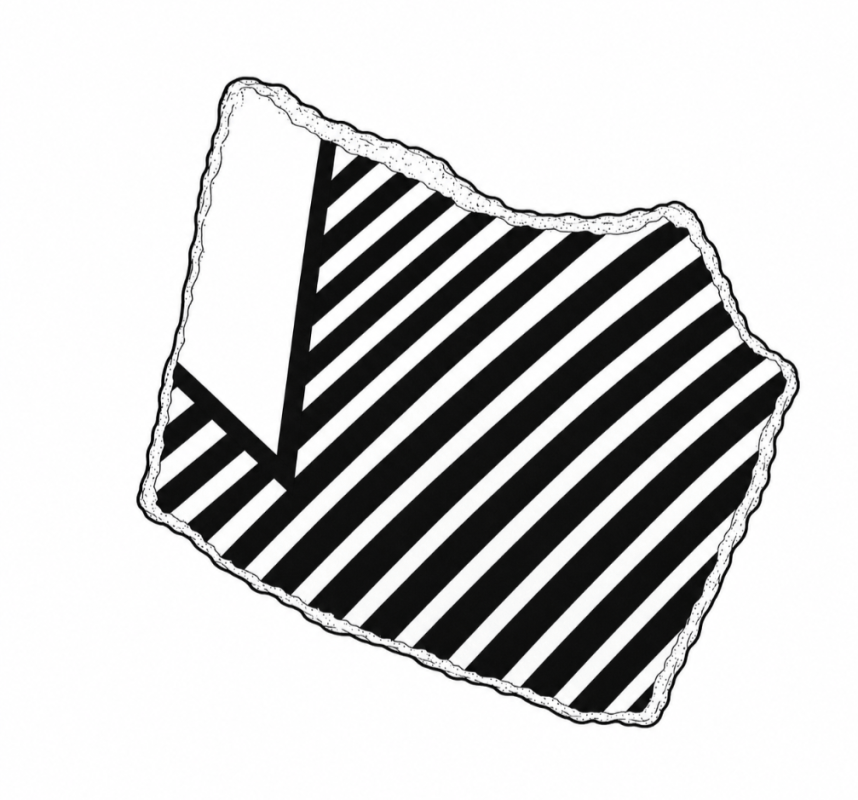

Some of the most fascinating finds were materials that originated outside the immediate area. Seeing different pottery traditions and obsidian among the local materials helped illustrate how connected these communities were. People living within these desert landscapes participated in networks of trade, travel and cultural exchange that extended across the prehistoric Southwest.
The history of this landscape did not end with the Jornada Mogollon. The region is also connected to the Mescalero, Chiricahua and Lipan Apache, as well as the Manso, Suma and Tigua peoples. Apache peoples lived and traveled throughout portions of southern New Mexico and West Texas for centuries before nineteenth-century U.S. military campaigns, including campaigns involving Buffalo Soldiers, contributed to their displacement and confinement.
For me, this project was much more than walking through sand dunes looking for artifacts. It was an opportunity to gain hands-on experience in Cultural Resource Management while helping document and preserve places connected to generations of Indigenous history.
One thing archaeology continues to teach me is that a landscape that appears empty is rarely truly empty. What looks like miles of sand and desert can hold thousands of years of human history. Finding the wall of a buried pueblo and walking among pottery, stone tools and other traces left by people centuries ago gave me an entirely different appreciation for this landscape.
These artifacts are more than objects. Together, they tell stories of families, communities, survival, movement, trade and cultural connection. Being able to help document and preserve those stories is exactly why I chose archaeology.
Disclaimer: All artifacts were left where found. Native cultural sites should never be climbed on, excavated, altered or disturbed, and artifacts should always remain exactly where they are found. Removing, damaging, excavating or collecting archaeological resources from federal and many other public lands without proper authorization is prohibited by law. If you encounter pottery, stone tools or other archaeological materials, photograph them in place if appropriate, leave them exactly where they were found, and help preserve the site for future generations and descendant Indigenous communities.