
History, Uncategorized
Unearthing Forgotten Stories: My Experience at the IRLAB Bioarchaeology Field School
Jul
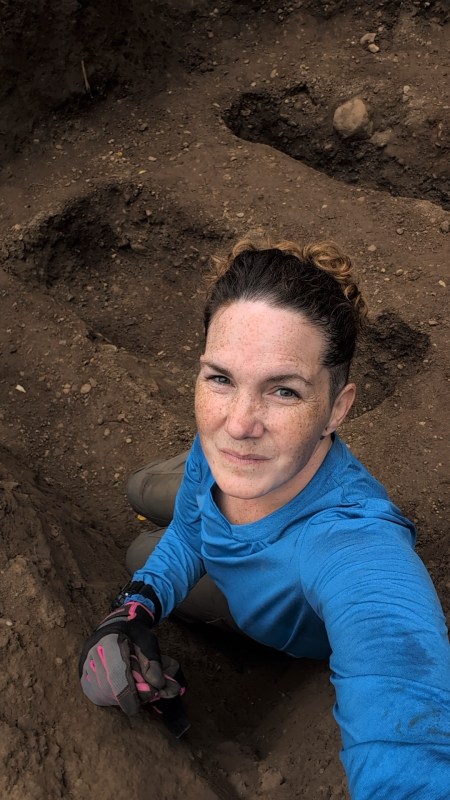
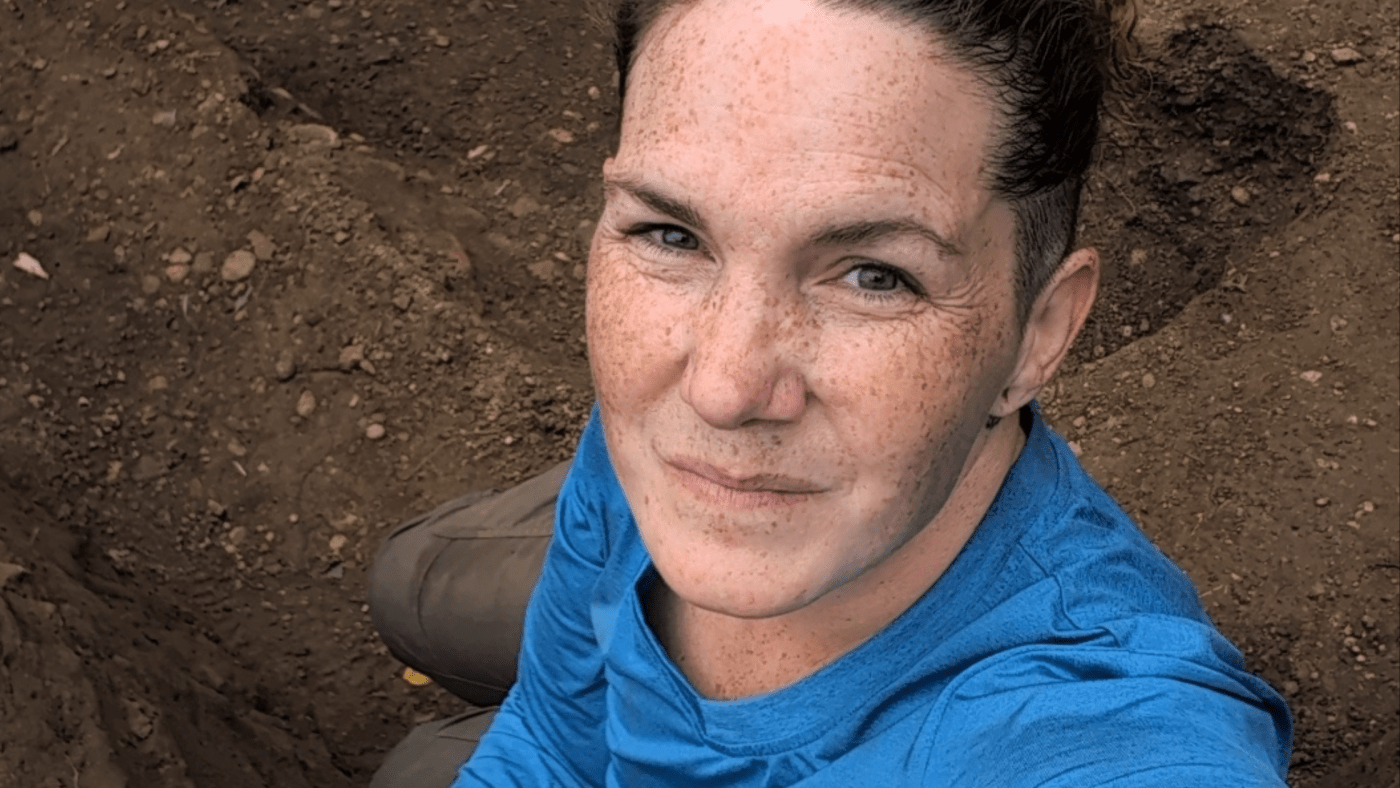
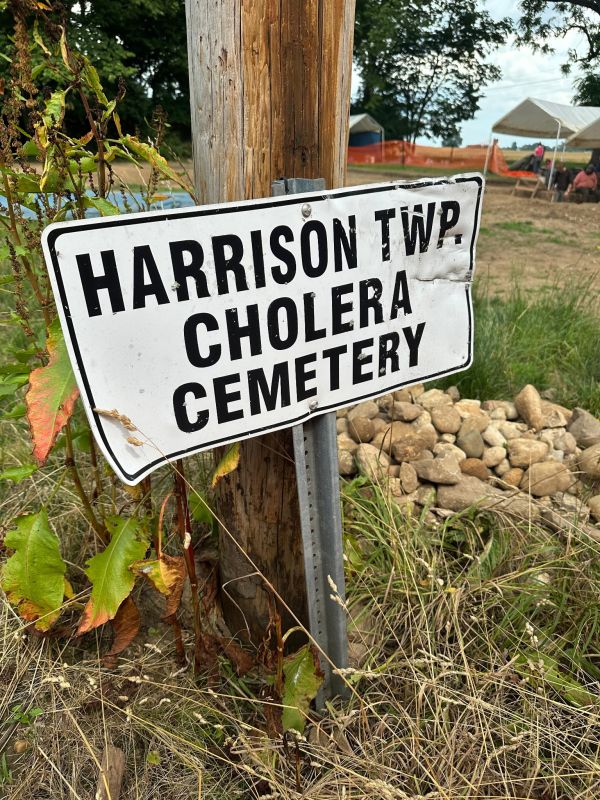
History is more than dates and documents. It is the lives of the people who came before us. This summer, I had the privilege of participating in the IRLAB (Institute for Research and Learning in Archaeology and Bioarchaeology) Field Experience in Bioarchaeology, held in partnership with The Ohio State University. The field school took place at the historic Harrison Township Cholera Cemetery near Columbus, Ohio, where I gained firsthand experience in archaeological field methods while helping preserve an important piece of American history.
The Harrison Township Cholera Cemetery dates back to the early 1800s and is believed to contain the remains of local residents, canal workers, and victims of the cholera epidemics that swept through central Ohio. Many of those buried there were never properly documented, leaving their stories lost to time. Today, archaeologists and bioarchaeologists are working to respectfully locate and document these forgotten graves, helping restore identities and preserve a chapter of history that might otherwise disappear.
Working at the cemetery was both humbling and inspiring. Every excavation unit, every soil layer, and every feature reminded me that archaeology is about people. It is about understanding how communities lived, endured hardship, and were shaped by the world around them. Careful excavation, mapping, and documentation ensure that these stories can continue to be told for generations.
As the historian for Longhorn Paranormal, this experience has given me a deeper appreciation for the places we investigate. Every historic location has a story that deserves to be researched before any investigation begins. Understanding the people who lived there, the events that took place, and the historical context surrounding a location provides a richer perspective than legends and folklore alone. History is the foundation that allows us to ask better questions and approach every investigation with respect for those who came before us.
This field experience also reinforced the connection between archaeology, bioarchaeology, and the study of past disease. Working at a cemetery associated with the nineteenth century cholera epidemics offered a powerful reminder of how infectious disease shaped communities and how modern research can continue to learn from the past.
I would also like to express my sincere gratitude to everyone who supported my journey to Ohio. Your encouragement and generosity made it possible for me to participate in this incredible experience. The knowledge and skills I gained will not only benefit my education but will also strengthen the historical research I bring to Longhorn Paranormal. I look forward to sharing what I learned and continuing to uncover and preserve the stories that history has left behind.