





VOODOO & CREOLE
LOUISIANA CULTURE
What is Voudou?
New Orleans Voudou (voodoo) is known to be the only Afro-Catholic religion to make way to America. New Orleans Voodoo’s influence was created of not only of the African nations that were the root of Voodoo, but it was also influenced from the New World colonies who had brought African slaves here to America. It is important to remember that in the 1700’s many enslaved Africans were Saint Domingue, Cuba, Brazil, and Louisiana. The Haitian Revolution began in 1791, had significantly the most influence in creating New Orleans Voodoo. The frightening stories of the Revolution that began to heighten to the fear of the Voodoo religion in the white community. The Haitian Revolution began with a Voudou ceremony at Bois-Caiman. A Voodoo priest lead that service it includes sacrificing a pig and a blood oath to overthrow the French. A few days later, slaves rebelling and began to try to kill their masters and slave overseers as well as the white population. The slaves also tried to burn down the sugar plantations in the heat of this. A 1773 documents a case were the slaves tried to kill their masters with gris-gris. Likely, as an influx of Haitian and African slaves began coming to Louisiana and New Orleans, their practices started to blend together. People say their elders passed down what they remembered, and the younger slaves started to use that and the new things they learned abut to create what we know as New Orleans Voodoo.
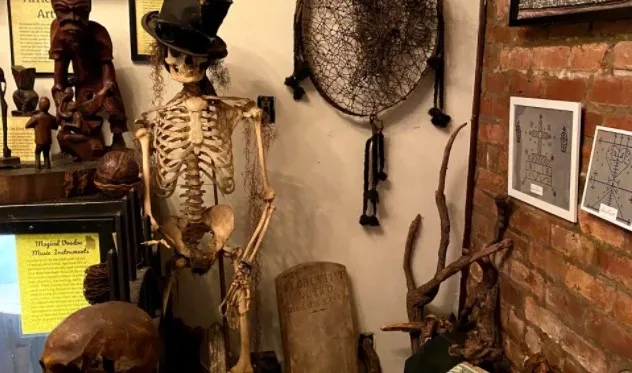
What Voudou Entails
A huge part of Voodoo practice is making and carrying gris-gris bags. This action is similar to statues, candles, and crosses that Catholics carry. Common practices are praying to “lesser” deities, communing with loa (spirit), place offerings at alters. These secret “uncivilized” practices struck fear amongst white people. Congo Square: It is located in Armstrong Park in the Treme neighborhood. The Congo Square served as a gathering place for enslaved Africans. It was a kept location for African traditions. They were able to express their culture including but not limited to Voodoo. Many hundreds of people gathered and created drum circles and spiritual ceremonies. Even today the location remains open to continue hosting cultural meetings. Voodoo today in New Orleans remains in practice. It is used to serve others and influence life events in connection with ancestors and spirits. Generally, rituals are privately held. Many places now will give you readings and assist in rituals.
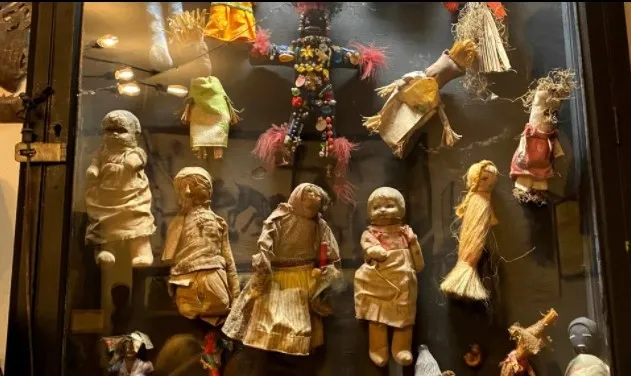
Voudou People & Places
The Voodoo Spiritual Temple is the only formally established Voodoo temple in New Orleans. Located across the street of the Congo Square. The New Orleans Historic Voodoo Museum is a great place to stop in the French Quarter (Marie Laveau’s birthplace) to learn about Voodoo history. One of the most heavily involved groups of people in Voodoo is the Creole people. In colonial Louisiana the term “Creole” was used to indicate New World products derived from Old World stock and product and could apply to identify architecture, and food ways. Identity wise, Creole, historically referred to those born in Louisiana during French and Spanish periods regardless of ethnicity.
Today, as in the past, transcends of Creole racial bounds. It connects people to their colonial roots, they are being of European decent settlers, enslaved Africans, or those of mixed heritage. Which includes African, French, Spanish, and American Indian influencers. Louisiana has a vast and unique feel to it as many states do. Many faces, personalities, and drams flow through Louisiana every year. From Italians to Senegalese, Filipinos, to Irish, Vietnams and Hungarians each have triumphant stories of catastrophe. Louisiana Voodoo is often confused with (but not separate from) Haitian Voodoo and Southern Hoodoo. It’s different from voodoo queens, use of Hoodoo occult paraphernalia, and Li Grand Zombi (snaked deity). It was through Louisiana Voodoo that such terms as Gris-gris (a Wolof term) and Voodoo dolls were introduced into the American culture. Voodoo was brought to the French Colony Louisiana through the slave trade.
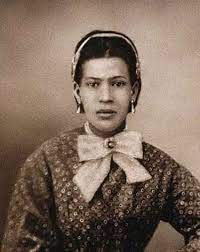
Louisiana Voodoo includes the recognition of one God who doesn’t interfere with the people’s daily lives and spirits. The spiritual forces can be kind of mischievous. It can shape daily life through and intercede in the peoples lives. They connect with the spirits by dancing, music, singing, and using snakes. The use of snakes represents, Legba, Voodoo’s main conduit. The voodoo serpent represents healing knowledge and connection between Heaven and Earth unlike Judeo- Christian. Deceased ancestors can also intercede in the lives of Voodoo followers. The main purpose of Louisiana Voodoo today is serving and influencing life events through connections with nature, spirits, and ancestors. Rituals are held in private, as rituals that are seen are considered disrespectful to spirits. Methods include readings, spiritual baths, specially devised diets, prayer, and used to cure anxiety, addictions, depression, loneliness, and other ailments. Voodoo seeks to help the hungry, the poor, and the sick as Marie Laveau previously did.
Marie Laveau
VOODOO LINKS
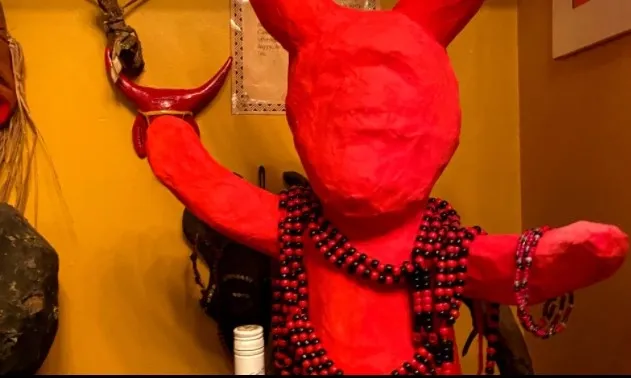
Voodou (VouDou) Museum

Marie Laveau

Laura Plantation
CREDIT
PAGE DESIGNED BY LONGHORN PARANORMAL INTERN BAILEY MOSSMAN
Works Cited
Dimuro, G. (2021, June 16). The Real Story Of Marie Laveau, The Voodoo Queen Of New Orleans. All That’s Interesting. https://allthatsinteresting.com/marie-laveau.
History Of New Orleans Voodoo: New Orleans. History Of New Orleans Voodoo | New Orleans. (n.d.). https://www.neworleans.com/things-to-do/multicultural/traditions/voodoo/.

PSALMS 91
Copyright © 2025 | Longhorn Paranormal LOGO, SLOGAN, NAME ALL RESERVED MARKS OF LONGHORN PARANORMAL. LONGHORN PARANORMAL HAS RIGHTS RESERVED AND AGREEMENTS WITH THE UNIVERSITY OF TEXAS ON RESERVATIONS AND USE OF THE LOGO, SLOGAN, AND IMAGES. REUSE IS PROHIBITED. Software and Design: Copyright © 2025 Longhorn Paranormal, its suppliers or licensors. All rights reserved. Content: Copyright © 2025 Longhorn Paranormal, its suppliers or licensors. All rights reserved.
VISIT ONGUARDONLINE.GOV FOR SOCIAL NETWORKING SAFETY TIPS