






Understanding Exorcisms and Cleansings in the Modern World
Exorcism is one of the most ancient and controversial rites of the Catholic Church preceeding to the times of Jesus casting out demons and further, a spiritual battle against demonic forces believed to possess or torment individuals. While movies often depict exorcisms as terrifying confrontations with evil, the real-world process is far more complex, controlled, and, most of all, difficult to access and perform. FULL STOP! This is not Hollywood, what you see on television is not reality and hardly reflects the truths of demonic hauntings or possessions.
For both victims and paranormal investigators, getting the Church’s help can feel like running into a brick wall. Here’s why…
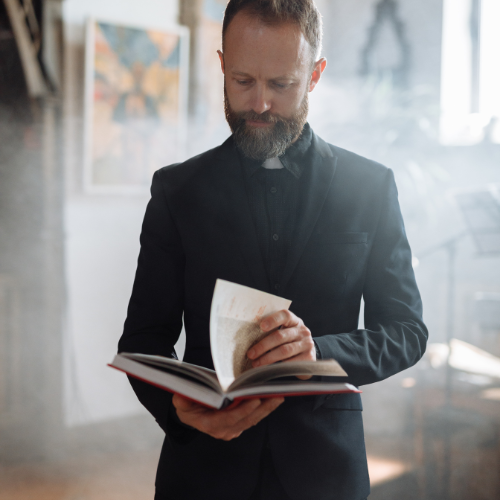
In the most basic of Catholic doctrine, an exorcism is a formal ritual where a priest, acting under the authority of the Church, invokes the name of Jesus Christ to drive out a demonic entity. There are two basic types:
-
Minor Exorcism – Simple prayers of deliverance, often used during baptisms or in spiritual healing.
-
Major (Solemn) Exorcism – A full rite that can only be performed by a trained and authorized exorcist priest with the bishop’s approval.
Why the Church Doesn’t Jump In Easily
Despite pop culture depictions, the Catholic Church does not rush into exorcisms. In fact, it’s one of the most regulated and rarely granted rites in the Church today.
Before an exorcism is even considered, the person typical must undergo extensive psychiatric and medical testing to rule out mental illness, trauma, or neurological disorders.
Modern clergy are trained to be extremely skeptical of claims of demonic possession. Many bishops are cautious to avoid sensationalism or liability personally and legally, and may prefer to treat issues as psychological until otherwise proven.
No priest can perform a solemn exorcism without direct permission from their bishop or higher church leadership. That approval can often take months, or never come at all.
There are very few officially trained exorcists, especially in Western countries. Some dioceses don’t have one at all. Many Demonologists exist who study this field and work closely with church leaders and do not identify as part of the church staff. Even these individuals need approval from the church. The catholic church rarely ordains non church leadership to perform these actions.
The Church is acutely aware of media scrutiny, lawsuits, and its historical controversies. It moves slowly and cautiously with these cases to avoid scandal.
Types of Exorcisms or Traditions
Not all traditions use the word “exorcism”, but many have rituals that serve the same purpose: removing harmful, oppressive, or negative forces. Every tradition has its own requirements, tools, and authority structures. Formal exorcisms, especially in Catholicism, are rare and require deep investigation before approval.
Minor Exorcism
-
Often used in Baptism (both infant and adult) or “deliverances”
-
Prayers said to free the person from sin, temptation, or minor spiritual influence
-
Not a response to possession, but preventative or protective
- Often refered to as “Minor Rites of Excorsim”
Major (Solemn) Exorcism
-
Formal ritual performed on someone believed to be possessed by a demon
-
Must be approved by a bishop or senior leader in the Catholic Church or other faith leadership
-
Conducted by a designated exorcist priest using the Rite of Exorcism (from the Rituale Romanum and other forms)
-
Includes prayers, scripture readings, commands to the demon, and holy water along with other tools
Deliverance Ministry
-
Common in Pentecostal, Evangelical, and Charismatic churches
-
Less formal than Catholic exorcism
-
May involve prayer circles, laying on of hands, speaking in tongues, or rebuking spirits
-
Often led by pastors or spiritual leaders, not formally ordained exorcists
Orthodox Christian Exorcisms
-
Conducted using prayers from saints like St. Basil or St. John Chrysostom
-
Less institutionalized than Catholic rites but still taken very seriously
-
Typically done quietly, with deep prayer, fasting, and confession
Islamic Ruqyah
-
Islamic exorcism involves reciting verses from the Qur’an and Hadith, especially Surah Al-Baqarah
-
Performed by an imam or knowledgeable practitioner
-
Focus is on expelling jinn or harmful spiritual forces
Hindu Exorcism
-
Based on Ayurveda, ritual chants, and mantras
-
May include use of holy ash, turmeric, or fire rituals (havan)
-
Often led by pandits or gurus, especially in rural areas
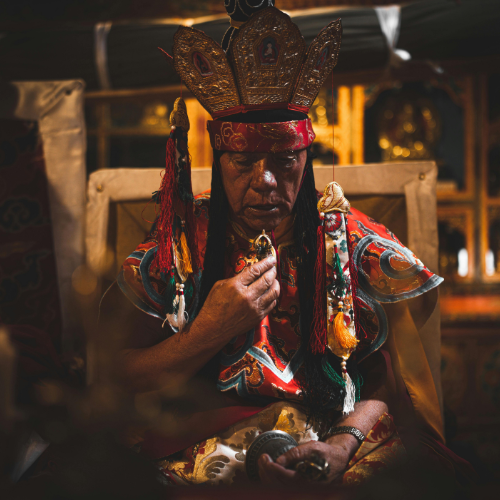
Buddhist Exorcism
-
Focuses on restoring spiritual balance through mantras, bell ringing, or incense
-
Involves the invocation of protective deities
-
Practiced in Tibetan, Thai, and Japanese traditions
Shamanic Exorcisms
-
Found in indigenous cultures worldwide (Native American, African, Mongolian, etc.)
-
The shaman enters a trance state to confront and remove the harmful spirit
-
Involves drums, herbs, smoke, and ritual storytelling
Pyschological Energy Clearing / Spirit Releasement
-
Found in modern spiritual practices and therapy. Goal is to help the client mentally or emotionally detach from non-physical forces.
-
Involves visualization, affirmations, or hypnosis to “release” negative energies or attachments. Practitioners use visualization, guided meditation, or hypnosis.
-
Often used when possession is seen as symbolic rather than literal. Viewed not as demonic, but as spiritual attachment or trauma residue.

FORMS OF EXORCISM BEYOND POSSESSION
Personal Exorcism (Traditional Form)
-
Focused on the individual.
-
Designed to expel a demonic or malevolent entity from a person’s body.
-
Catholic Church, Evangelical deliverance ministries, and other major religions practice this.
Building or House Exorcism (Blessing/Deliverance of Place)
Catholic House Exorcism / Blessing
-
A formal blessing of a home using holy water, incense, and scripture.
-
May include the Litany of the Saints, Psalms, and specific prayers.
-
If demonic infestation is suspected, a bishop may authorize a Major Rite of Exorcism for the building.
-
Christian Deliverance of Property: Pastors or deliverance ministers may perform a cleansing with, anointing oil, prayers of authority, scripture reading (Psalm 91, Ephesians 6, etc.), rebuking spirits and closing doorways (e.g., portals, past rituals)
-
Orthodox Exorcism of Homes Involves the blessing of homes after events such as death, desecration, or haunting. Holy water and incense are used, along with prayers invoking the Holy Trinity.
-
Land Cleansing (Christian and Indigenous) is often Used when land is first purchased or believed to be cursed, defiled by bloodshed, ritual, or abuse. Cleansing rituals include, walking the perimeter while praying, burying crosses or Bibles, placing blessed salt or oil or repentance and declaration prayers over the land.
Native Rituals
Native American Smudging
-
A spiritual cleansing using sage, cedar, or sweetgrass.
-
The smoke is believed to purify the land, space, and energy.
-
May be done in homes, on battlefields, or sacred sites.
Shamanic Ritual for Land Spirits
-
Performed to appease or remove local spirits or energies.
-
May involve drums, chants, and offerings to spirits or nature deities.
-
Used in tribal regions and rural areas around the world.
Object Exorcism or Spiritual Cleansing
Christian Blessing of Items
-
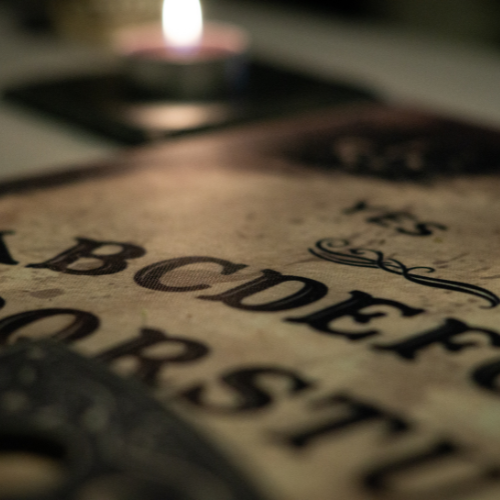
Holy water is used to cleanse items believed to be cursed, haunted, or spiritually dangerous (e.g., Ouija boards, antiques).
Spiritual Cleansing of Artifacts
-
In other traditions, sacred herbs, fire, salt, or moonlight are used to purify objects.
-
In cases of cursed items, some practitioners may trap or bind the spirit within a container and seal it.

The Investigator’s Dilemma
As a paranormal investigator, approaching the Church for help on behalf of a client can feel like shouting into the void. Even if your evidence is strong, EVPs, unexplained behavior, physical markings, it’s often dismissed outright. That’s because the Church often does not recognize paranormal evidence (photos, recordings, spirit box responses, video evidence). Investigators without clergy credentials are rarely trusted sources. The Church prefers working within its own internal structure (medical, psychological, spiritual review) rather than with private teams. This can leave victims without support, stuck between two worlds, spiritual torment and institutional red tape.
When dealing with demonic or malevolent activity in locations, it’s critical to assess the history of the building/land (deaths, rituals, trauma) and spiritual practices used previously (witchcraft, occult, séances.) Also seeking to find out if artifacts or cursed items are present or if there are patterns of manifestation (poltergeist, infestation, oppression.) Often, building exorcisms involve a combination of personal deliverance, land prayers, and object removal.
The Victims Dilemma
For victims of what appears to be demonic haunting or possession, the struggle is deeply isolating and often their suffering is dismissed as mental illness. They’re bounced between doctors, therapists, and sometimes even law enforcement. If they’re religious, they often feel abandoned by the Church they trusted to help. Many are forced to turn to independent deliverance ministries or alternative faith practices to find relief.
The Risk of Going Outside the Church
Some people, out of desperation, turn to untrained or self-proclaimed exorcists, which can be dangerous. Without proper spiritual discernment, trauma-informed care, or protection, these sessions can cause psychological harm, manipulation, or spiritual exploitation.
That’s why education, patience, and discernment are critical in these cases.
Exorcisms and Mental Health
Self exorcisms and mental health are not a new occurance. Many individuals often claim their own possession or the possession of another person. It is ill advised to “perform” your own investigation or exorcism at any time. Below are a few examples:
The Catholic Church views exorcism as a last resort, not a first step. Its process is meant to protect both the victim and the Church itself from misunderstanding, harm, or abuse, but that caution can leave many without answers.
At Longhorn Paranormal, we respect the spiritual traditions of all faiths and urge investigators and clients alike to proceed carefully, ethically, and with evidence-based support. When demonic activity is suspected, it’s vital to combine spiritual, psychological, and environmental perspectives, and always put the well-being of the person first.


PSALMS 91
Copyright © 2025 | Longhorn Paranormal LOGO, SLOGAN, NAME ALL RESERVED MARKS OF LONGHORN PARANORMAL. LONGHORN PARANORMAL HAS RIGHTS RESERVED AND AGREEMENTS WITH THE UNIVERSITY OF TEXAS ON RESERVATIONS AND USE OF THE LOGO, SLOGAN, AND IMAGES. REUSE IS PROHIBITED. Software and Design: Copyright © 2025 Longhorn Paranormal, its suppliers or licensors. All rights reserved. Content: Copyright © 2025 Longhorn Paranormal, its suppliers or licensors. All rights reserved.
VISIT ONGUARDONLINE.GOV FOR SOCIAL NETWORKING SAFETY TIPS